Guides
Managing Pool Service Equipment on Every Route
Pool service equipment management means matching ownership to route use, tracking tools, protecting gear from heat, and testing before standardizing.
What to take away
Pool service equipment decisions start with route use, safe storage, and reliable custody.
- Decide owned against rented per item using days of paid use a year. A trailer vac that runs six drain jobs a season is a rental, whatever the sticker says.
- Acid and chlorine never share a compartment, a spill tray, or a loose ride. OSHA's hazard communication standard sets what you owe a technician who handles them.
- Photograph every asset out and back at the end of the day. One minute per truck settles the missing-hose argument and builds a repair history.
- Reagents degrade in a hot cab and give confident wrong readings. Keep a dated reference kit in the shop, not on the dash.
- Buy one unit, run it on your hardest route for a season, then buy the rest. Write the rejection test down before the trial starts.
Own it or rent it, by days of paid use
Count the days a year an item actually earns money. That number, not the purchase price, decides whether it belongs on your books.
Own or Rent by Use
Own
- Test kit, pole, brush, hose
- Every route day
- Filter cleaning gear
- Quarterly every account
- Small pump and motor spares
- Several callbacks a season
- Trailer vac, dewatering pump
- —
- Under-deck plumbing, gas lines
- —
Rent
- Test kit, pole, brush, hose
- —
- Filter cleaning gear
- —
- Small pump and motor spares
- —
- Trailer vac, dewatering pump
- A handful of drain jobs
- Under-deck plumbing, gas lines
- —
Subcontract
- Test kit, pole, brush, hose
- —
- Filter cleaning gear
- —
- Small pump and motor spares
- —
- Trailer vac, dewatering pump
- —
- Under-deck plumbing, gas lines
- Occasional licensed trade
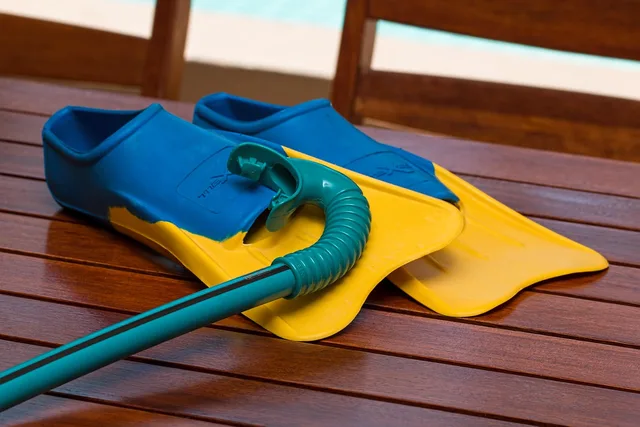
A test kit, pole, brush, and vacuum hose run every stop on every route day. Own them, one set per truck, because sharing strands a route when two technicians need the same pole at 9 a.m.
Filter cleaning gear is the same math. If every account gets a cartridge or sand filter break down quarterly, the gear works most weeks of the year.
The heavy end flips. A trailer-mounted vac or a dewatering pump earns its keep only on seasonal drain jobs, so rent it and let someone else store and service it.
Own it or rent it
Days of paid use a year
- Test kit, pole, brushes, hose
- Every route day
- Filter cleaning gear
- Quarterly on every account
- Small pump and motor spares
- Several callbacks a season
- Trailer vac, dewatering pump
- A handful of drain jobs
- Under-deck plumbing, gas lines, panel work
- Occasional
Call
- Test kit, pole, brushes, hose
- Own, one set per truck
- Filter cleaning gear
- Own
- Small pump and motor spares
- Own a small stock
- Trailer vac, dewatering pump
- Rent
- Under-deck plumbing, gas lines, panel work
- Subcontract to a licensed trade
The costly mistake is buying something specialized to win one job, then paying to store and maintain it for the other eleven months.
Custody, check-in, and the annual count
Assign every tool to a truck and every truck to a person. At the end of the day, photograph what came back. The photo is the check-in record.
That minute does two jobs. It settles who had the vacuum hose when it disappeared, and it builds a repair history you can read when the same motor fails twice.
Keep purchase records in the same system as the rest of your books. Internal Revenue Service: What kind of records should I keep? sets the bar plainly: the system is yours to choose, but it must show income and expenses clearly and hold the documents behind purchases, payroll, and assets. Equipment receipts are those documents.
Heat, cold, and vibration: how stored gear fails
A service vehicle is a worse environment than any shop. Plan for it instead of discovering it.
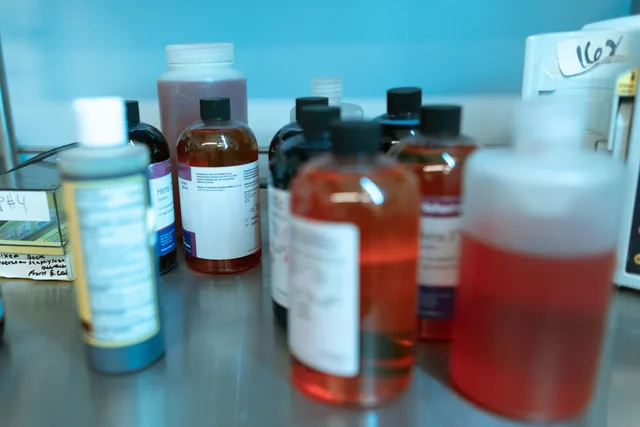
Summer heat is the main enemy. A closed cab degrades reagents, softens plastics, and raises pressure inside sealed containers. Reagents that ride hot give confident wrong readings within weeks, which is why the reference kit stays in the shop and every reagent gets dated when opened.
Cold splits containers in seasonal markets. A frozen liquid product can crack, and a cracked container sharing a compartment with anything reactive is the incident the separation rule exists to prevent.
Vibration is the quiet one. Anything unsecured moves all day, and a lid working loose for a week lets go the day the truck stops hard. Check restraints at load-out, not once a year.
Write the limits down before the first job
For every asset, record what it can and cannot do:
- pump horsepower and voltage
- hose length
- pole reach
- surfaces a brush is safe on
- chemicals a container is rated for
A vinyl liner hit with a stainless bristle brush is an expensive lesson in a limit nobody wrote down. Keep the record where a technician reads it on a busy Tuesday. A laminated card in the truck beats a shared drive nobody opens.
Test one before you standardize the fleet
Buy one unit, run it a season on a real route, then buy the rest. Put it on the truck with the hardest accounts, not the easiest.
Write the rejection test before the trial starts: too heavy at the end of a fifteen-stop day, no parts availability, a handle that fails at the weld. A tool that fails those tests on your worst route will fail everywhere.
Occupational Safety and Health Administration: Safety Management makes the same argument for hazards generally: find and fix the problem before an injury or an inspection finds it for you. A tool that hurts people slowly is a hazard even when it works.
Repair or replace on evidence, not book value. Track repeat repairs and lost route hours per asset. A motor that fails twice in a season costs you stops, and stops are what pays.
Chemicals, paperwork, and public accounts
Acid and chlorine products never share a compartment, a spill tray, or a loose ride. The failure mode is a chlorine gas release in a closed cab. Store them upright, separated, and vented, and carry safety data sheets for everything on board.
Occupational Safety and Health Administration: Hazard Communication Standard requires a written program, durable labels, accessible safety data sheets, and training before first exposure, not after an incident. Read it before you write a chemical policy.
Personal protection lives on the same shelf: splash goggles, chemical-resistant gloves, an apron, and an absorbent spill kit within reach of the compartment it protects. A kit stored behind the ladders is a kit you will not reach in time.
Public and semi-public pools raise the bar again. The Centers for Disease Control and Prevention: Operating and Managing Public Pools, Hot Tubs and Splash Pads lists what these facilities must maintain: trained operators, documented testing, working filtration and recirculation, and chemical safety.
An HOA or hotel account grows your equipment list before it grows your invoice. Read the startup and market picture before you say yes to that kind of account. If the route is growing faster than one owner can carry, the hiring decisions come next.
Common questions
What changes if I run a two-truck route instead of one?
Custody gets formal. Each truck needs its own test kit, pole, and hose so no technician waits on another, and the photo check-in becomes the only reliable record of where a tool is. Shared specialty gear gets a named owner and a sign-out sheet.
How often should I replace reagents and test kits?
Date every reagent when you open it and follow the manufacturer's shelf life, because heat shortens it. Replace the reference kit on schedule even if it looks fine. A kit that reads wrong is worse than no kit, since it sends you dosing on bad numbers.
When does a spare part stock stop paying for itself?
When the parts sit longer than the failures they cover. Track which repairs forced a second visit last season and stock only those. Recheck the list each spring, because the mix shifts between a plaster market and a vinyl one.
Do I need different gear for commercial accounts?
Yes. Commercial and public pools bring documented testing, trained-operator requirements, and heavier filtration, so the equipment list grows before the revenue does. Price the account against that list, not against a residential stop.